
Tutorial
Tutorial Stagione 8
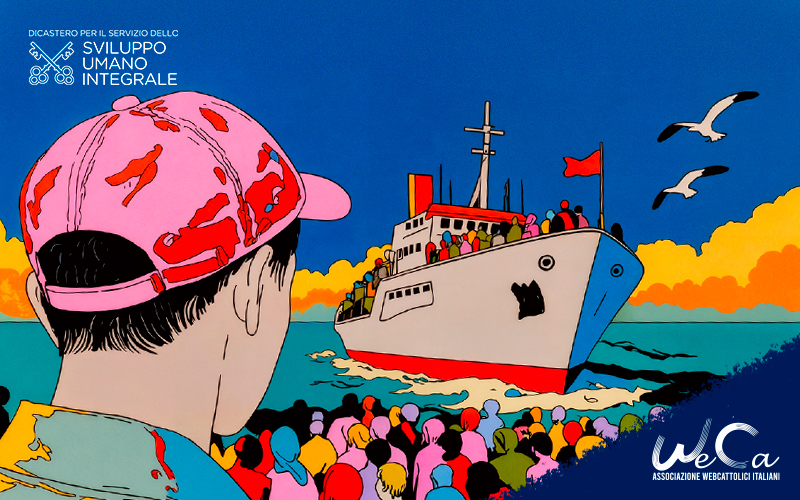
Tutorial Stagione 8
Tutorial in collaborazione con il Dicastero per il Servizio dello Sviluppo Umano Integrale
di Fr. Ritchille Salinas, SVD, Segretario Generale ad interim dell’Apostolato del Mare
ITALIANO
Salve, sono Padre Ritchille Salinas SVD, Segretario Generale ad Interim dell’Ente “Apostolato del Mare”.
Pensate per un momento alle persone che normalmente ricordiamo nelle nostre preghiere.
Preghiamo per gli ammalati. Preghiamo per i migranti e i rifugiati. Preghiamo per coloro che sono colpiti dalla guerra, dalla povertà e dalle catastrofi naturali. Ricordiamo i missionari che operano in luoghi lontani e le famiglie che attraversano momenti difficili.
Ma con quale frequenza preghiamo per i marittimi?
Quanto spesso pensiamo agli uomini e alle donne che trascorrono mesi in mare, lontani da casa, e il cui lavoro sostiene silenziosamente la nostra vita quotidiana?
Forse il motivo è semplice: non li vediamo.
Il cibo sulle nostre tavole, il caffè che beviamo, il carburante che alimenta i nostri veicoli, i medicinali usati negli ospedali, i telefoni nelle nostre tasche e innumerevoli altri prodotti arrivano a noi perché le navi li trasportano attraverso gli oceani. Quasi tutto ciò che sostiene la vita moderna ha viaggiato via mare in qualche momento del suo percorso.
Eppure, la maggior parte di noi pensa raramente alle persone che rendono possibile tutto questo.
Da molti anni, le organizzazioni marittime parlano di quella che chiamano “cecità del mare”, la tendenza a sottovalutare l’importanza del trasporto marittimo e delle persone che lavorano in mare. Beneficiamo ogni giorno del loro servizio, ma le loro vite spesso rimangono nascoste alla vista.
Eventi recenti, comprese le tensioni che influenzano il traffico marittimo nello Stretto di Hormuz, hanno ricordato al mondo quanto dipendiamo dal trasporto marittimo. I notiziari parlano di catene di approvvigionamento, carichi in ritardo, aumento dei prezzi dell’energia e interruzioni del commercio globale.
Per un momento, l’attenzione del mondo si rivolge al mare e al ruolo vitale che il trasporto marittimo svolge nel sostenere la vita quotidiana. Ma dietro ogni titolo c’è una storia umana.
Dietro ogni carico, c’è un equipaggio: uomini e donne con famiglie, speranze, sogni, preoccupazioni e responsabilità.
Molti marittimi trascorrono lunghi periodi lontano da casa. Alcuni affrontano solitudine, incertezza, stanchezza e ansia. Le famiglie attendono notizie dai propri cari che possono trovarsi a migliaia di chilometri di distanza. Quando una nave è in ritardo, una famiglia aspetta. Quando una rotta diventa pericolosa, cresce la preoccupazione sia a bordo sia a casa.
Ecco perché la Chiesa se ne prende cura.
Da oltre un secolo, l’Apostolato del Mare accompagna marittimi, pescatori e le loro famiglie. In tutto il mondo, cappellani e volontari visitano le navi, offrono amicizia e assistenza pratica, celebrano i sacramenti e sostengono gli equipaggi abbandonati.
Questi incontri non sono semplicemente atti di servizio; sono momenti di incontro con Cristo stesso, presente nei volti e nelle storie delle persone del mare. Nel loro coraggio, nei loro sacrifici e nella loro perseveranza lontano da casa, la Chiesa riscopre la presenza di Cristo tra noi.
Avendo io stesso prestato servizio come cappellano portuale, ho sperimentato questo ministero in prima persona. Ho incontrato marittimi che portano con sé le gioie e i pesi della vita lontano da casa, e ho visto come anche una semplice visita, una conversazione, una preghiera o la celebrazione dell’Eucaristia possano portare conforto, incoraggiamento e speranza rinnovata.
Spesso questi gesti possono sembrare piccoli. Eppure, per molti marittimi sono un potente promemoria del fatto che non sono dimenticati, che sono valorizzati e che la Chiesa li ricorda e cammina con loro, ovunque li porti il loro viaggio.
La Domenica del Mare ci invita a guardare oltre i beni che riceviamo e a riconoscere le persone che li rendono possibili. Ci invita a vedere la dignità di coloro che lavorano in mare e a ricordare che ogni nave trasporta non solo merci, ma vite umane.
Mentre riflettiamo sul messaggio per la Domenica del Mare del Cardinale Michael Czerny, Prefetto del Dicastero per il Servizio dello Sviluppo Umano Integrale, siamo invitati a rinnovare la nostra preghiera, la nostra gratitudine e la nostra solidarietà verso marittimi, pescatori, lavoratori del settore marittimo e le loro famiglie.
Nello spirito della nuova Enciclica del Santo Padre, Magnifica Humanitas, ci viene ricordato che la dignità umana non diminuisce mai a causa della distanza, dell’invisibilità o della natura del proprio lavoro.
Le persone del mare possono spesso rimanere invisibili, ma non sono mai dimenticate agli occhi di Dio. Le loro vite sono profondamente connesse alle nostre, e il loro benessere è una responsabilità che condividiamo tutti.
Sosteniamo coloro che si prendono cura di loro. Ricordiamoli nelle nostre comunità e nelle nostre preghiere. E non dimentichiamo mai questa semplice verità: nessun marittimo dovrebbe mai sentirsi dimenticato, abbandonato o solo.
La Chiesa è al fianco della gente del mare!
ENGLISH
Hello, my name is Fr. Ritchille Salinas, SVD. I am a Catholic priest of the Society of the Divine Word and currently serv as Secretary General ad interim of Apostolatus Maris, the central and coordinating body of the Apostleship of Sea, based in Vatican City.
Think for a moment about the people we normally remember in our prayers.
We pray for the sick. We pray for migrants and refugees. We pray for those affected by war, poverty, and natural disasters. We remember missionaries serving in distant places and families facing difficult times.
But how often do we pray for seafarers?
How often do we think about the men and women who spend months at sea, far from home, whose work quietly sustains our daily lives?
Perhaps the reason is simple: we do not see them.
The food on our tables, the coffee we drink, the fuel that powers our vehicles, the medicines used in hospitals, the phones in our pockets, and countless other products reach us because ships carry them across the oceans. Nearly everything that supports modern life has travelled by sea at some point in its journey.
Yet most of us rarely think about the people who make that possible.
For many years, maritime organizations have spoken about what they call “sea blindness”, the tendency to overlook the importance of shipping and the people who work at sea. We benefit from their service every day, but their lives often remain hidden from view.
Recent events, including tensions affecting maritime traffic in the Strait of Hormuz, have reminded the world how dependent we are on maritime transport. News reports speak of supply chains, delayed cargoes, rising energy prices, and disruptions to global trade.
For a moment, the world’s attention turns to the sea and to the vital role that shipping plays in sustaining everyday life. But behind every headline is a human story.
Behind every cargo, a crew: men and women with families, hopes, dreams, worries, and responsibilities.
Many seafarers spend long periods away from home. Some face loneliness, uncertainty, fatigue, and anxiety. Families wait for news from loved ones who may be thousands of miles away. When a ship is delayed, a family waits. When a route becomes dangerous, concern grows both on board and at home.
This is why the Church cares.
For more than a century, the Apostleship of the Sea has accompanied seafarers, fishers, and their families. Around the world, chaplains and volunteers visit ships, offer friendship and practical assistance, celebrate the sacraments, and support abandoned crews.
These encounters are not simply acts of service; they are moments of encounter with Christ himself, present in the faces and stories of the people of the sea.
In their courage, their sacrifices, and their perseverance far from home, the Church discovers anew the presence of Christ among us.
Having served as a port chaplain myself, I have experienced this ministry firsthand. I have encountered seafarers carrying the joys and burdens of life far from home, and I have seen how even a simple visit, a conversation, a prayer, or the celebration of the Eucharist can bring comfort, encouragement, and renewed hope.
Often, these gestures may seem small. Yet for many seafarers they are a powerful reminder that they are not forgotten, that they are valued, and that the Church remembers them and walks with them, wherever their voyage may take them.
Sea Sunday invites us to look beyond the goods we receive and recognize the people who make them possible. It invites us to see the dignity of those who work at sea and to remember that every vessel carries not only cargo, but human lives.
As we reflect on the Sea Sunday message by Cardinal Czerny, Prefect of the Dicastery for Promoting Integral Human Development, we are invited to renew our prayer, our gratitude, and our solidarity with seafarers, fishers, maritime workers, and their families.
In the spirit of the new Encyclical of the Holy Father, Magnifica Humanitas, we are reminded that human dignity is never diminished by distance, invisibility, or the nature of one’s work.
The people of the sea may often remain unseen, but they are never forgotten in the eyes of God. Their lives are deeply connected to our own, and their wellbeing is a responsibility that we all share.
Let us support those who care for them. Let us remember them in our communities and in our prayers. And let us never forget this simple truth: No seafarer should ever feel forgotten, abandoned, or alone. The Church Stands with the People of the Sea!
Per Associarsi a WeCa

Guida al Web

8xmille

-
 16 Ott 2026
 -
 16 Ott 2026
 -
 14 Ott 2026
 -
 14 Ott 2026
 -
 14 Ott 2026
In rete